Endoscopic Sleeve Gastroplasty (ESG) is a breakthrough in non-surgical obesity treatment. Unlike traditional bariatric surgery, ESG requires no incisions. Using an endoscope inserted through the mouth, the surgeon places sutures to narrow the stomach by 70-80%.
Who Is a Candidate for ESG?
ESG is recommended for patients with BMI 30-40 who prefer a non-surgical approach or who do not meet criteria for bariatric surgery. Detailed specialist evaluation is essential.
Weight Loss Outcomes
Clinical studies show ESG achieves 15-20% total body weight loss over 12-24 months with significant improvements in type 2 diabetes, hypertension, and dyslipidaemia.
ESG vs Sleeve Gastrectomy
Unlike sleeve gastrectomy, ESG requires no incisions, has a faster recovery (return to normal activity in 1-2 weeks), and is partially reversible. Weight loss is somewhat less than surgical options but comparable to GLP-1 medications for BMI 30-40 patients.
Recovery
Liquid diet weeks 1-2, pureed foods weeks 3-4, gradual solid foods from month 2. Multidisciplinary follow-up with dietitian and psychologist is provided.
Is ESG Right for You?
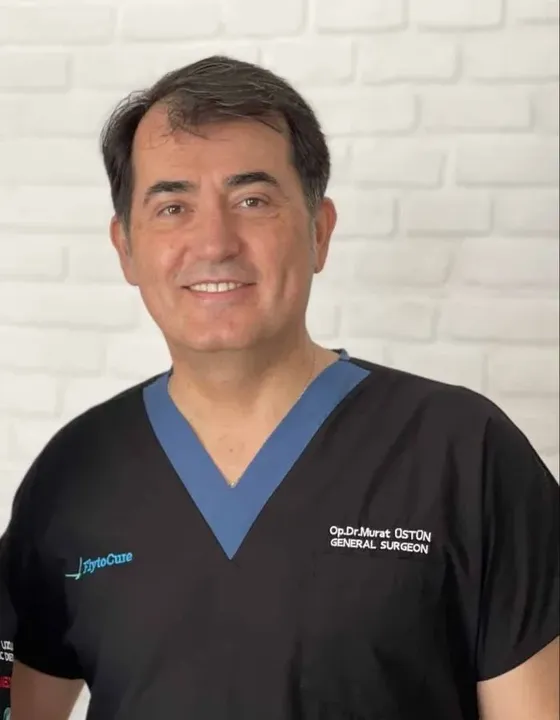
Op. Dr. Murat Ustun offers a comprehensive evaluation to determine the most appropriate treatment — whether ESG, sleeve gastrectomy, gastric bypass, or another approach.
Book a Free ConsultationFrequently Asked Questions
Is ESG permanent?
ESG is partially reversible. The sutures can be removed endoscopically if needed, though the stomach may not fully return to its original size.
How does ESG compare to the gastric balloon?
The gastric balloon is temporary (removed after 6-12 months), whereas ESG provides a longer-term structural change with generally greater and more sustained weight loss.
Sources: Cureus 2022 multicentre ESG study; Bariatric News 2024-2025.